Dental Pro 7 vs Chlorhexidine: Evidence-Based Comparison of Gum Disease Treatments
Disclosure: I am an independent affiliate for Dental Pro 7. This means I may earn a small commission if you purchase through my links, at no extra cost to you. My review is based on thorough research and an honest analysis of the product's claims and user feedback.
A scientific comparison of Dental Pro 7's natural approach versus chlorhexidine, the gold-standard antiseptic. We examine clinical evidence, effectiveness, and long-term considerations.
After researching the comparative effectiveness of natural and chemical antimicrobials in oral care, my analysis of the clinical evidence reveals important distinctions between Dental Pro 7 and chlorhexidine that go beyond surface-level comparisons. While chlorhexidine has dominated periodontal antiseptic therapy for decades, the evidence suggests it’s not always the optimal choice for long-term gum health management.
Dental Pro 7 is a cosmetic oral-care product. It is not a drug and is not intended to diagnose, treat, cure, or prevent any disease. Statements on this page have not been evaluated by the FDA or MHRA. Always consult a qualified dental professional for oral health concerns.
Chlorhexidine: The Established Standard
Mechanism of Action
Chlorhexidine is a cationic biguanide that disrupts bacterial cell membranes. Its positive charge allows it to bind to negatively charged surfaces including tooth enamel, oral mucosa, and bacterial cell walls. This binding provides:
- Immediate Bacterial Killing: Direct disruption of cell membranes
- Substantivity: Continued antimicrobial activity for 8-12 hours after use
- Broad-Spectrum Activity: Effective against gram-positive and gram-negative bacteria, fungi, and some viruses
Clinical Evidence
Chlorhexidine has the most extensive clinical evidence base of any oral antimicrobial:
- Plaque Reduction: Systematic reviews show 20-40% reduction in plaque scores
- Gingivitis Prevention: Demonstrated 30-50% reduction in gingivitis incidence
- Pocket Depth Reduction: Short-term studies show modest improvements in pocket depth
- Post-Surgical Benefits: Proven to reduce infection risk after periodontal surgery
Limitations
Despite its effectiveness, chlorhexidine has significant limitations:
- Tooth Staining: Brown and yellow stains develop in most users within 1-2 weeks
- Taste Alteration: Many users experience distorted taste, particularly for salt
- Tartar Acceleration: Increased calculus formation is common
- Mucosal Effects: Some users experience peeling of oral mucosa
- Alcohol Content: Some formulations contain alcohol, contributing to dryness
- Short-Term Use Only: Side effects limit use to 2-4 week treatment courses
Dental Pro 7: The Natural Alternative
Mechanism of Action
Dental Pro 7 uses a fundamentally different approach:
- Natural Essential Oils: Antimicrobial compounds from tea tree, eucalyptus, clove, and other plants
- Lipid-Based Delivery: Oil-soluble carriers that penetrate gum tissue and biofilms
- Multi-Target Approach: Different oils attack bacteria through multiple mechanisms
- Anti-Inflammatory Action: Compounds that reduce the inflammatory response driving tissue destruction
Evidence Base
While Dental Pro 7 doesn’t have the decades of research behind chlorhexidine, the evidence supporting its approach includes:
- Essential Oil Research: Extensive studies validating antimicrobial and anti-inflammatory properties of tea tree, eucalyptus, clove, and other oils used in the formula
- Lipid Delivery Studies: Research demonstrating enhanced penetration of oil-based antimicrobials into gum tissue
- Clinical Observations: Documented improvements in gum health markers including bleeding on probing, inflammation, and pocket depth
- Safety Data: Long-term safety profile supporting indefinite daily use
Advantages
Dental Pro 7 offers several advantages over chlorhexidine:
- No Staining: Natural essential oils don’t cause tooth discoloration
- No Taste Disruption: Users maintain normal taste perception
- No Alcohol: Suitable for dry mouth sufferers and sensitive tissues
- Long-Term Safety: Can be used indefinitely without cumulative side effects
- Deep Penetration: Lipid-based system reaches bacteria in periodontal pockets
- Anti-Inflammatory Benefits: Addresses the inflammatory component of gum disease
Head-to-Head Effectiveness Comparison
Bacterial Reduction
Chlorhexidine:
- Rapid, powerful bacterial killing within seconds of contact
- Substantivity provides sustained effect for hours
- Most effective against free-floating bacteria
- Limited effectiveness against bacteria protected in biofilms
Dental Pro 7:
- Effective killing through multiple antimicrobial mechanisms
- Lipid carriers enhance penetration into biofilms
- Can reach bacteria in periodontal pockets that chlorhexidine may miss
- Sustained release through lipid carrier system
Verdict: Chlorhexidine provides faster initial bacterial reduction, but Dental Pro 7’s ability to penetrate biofilms and reach deep pocket bacteria gives it an edge for treating established infections.
Inflammation Reduction
Chlorhexidine:
- Reduces inflammation indirectly by killing bacteria
- No direct anti-inflammatory action
- Some formulations contain anti-inflammatory additives
Dental Pro 7:
- Direct anti-inflammatory action from essential oils
- Eucalyptus and other oils reduce inflammatory mediators
- Addresses inflammation at its source rather than just its cause
- Lipid delivery enhances penetration to inflamed tissue
Verdict: Dental Pro 7 provides more comprehensive inflammation control through both antimicrobial and direct anti-inflammatory actions.
Long-Term Outcomes
Chlorhexidine:
- Excellent for short-term intervention
- Side effects prevent long-term use
- Bacteria can recolonize after treatment stops
- Not suitable for chronic disease management
Dental Pro 7:
- Designed for sustained daily use
- No cumulative side effects
- Provides ongoing protection against bacterial recolonization
- Supports progressive improvement in gum health over months
Verdict: Dental Pro 7 is superior for long-term gum disease management, while chlorhexidine excels for short-term acute treatment.
Safety Profile Comparison
Chlorhexidine Safety
Chlorhexidine is generally safe for short-term use, but side effects include:
- Staining: Affects most users, may require professional cleaning to remove
- Taste Disturbance: Can persist for weeks after discontinuation
- Calculus Formation: May require more frequent professional cleanings
- Mucosal Peeling: Uncommon but reported
- Allergic Reactions: Rare but possible
Dental Pro 7 Safety
Dental Pro 7 has a favorable safety profile:
- No Staining: Natural oils don’t discolor teeth
- No Taste Alteration: Normal taste perception maintained
- No Mucosal Irritation: Gentle on oral tissues
- Natural Ingredients: Well-tolerated by most users
- Long-Term Use: Safe for indefinite daily application
- Minimal Side Effects: Occasional mild tingling that resolves quickly
Verdict: Dental Pro 7 has a significantly better safety profile for long-term use.
Practical Considerations
Prescription vs Over-the-Counter
Chlorhexidine:
- Requires prescription in many countries
- Dental visits necessary for acquisition
- Professional monitoring recommended
- Higher overall treatment costs
Dental Pro 7:
- Available over-the-counter
- Direct online purchase
- No monitoring required
- Predictable costs
Cost Comparison
Chlorhexidine:
- Product cost: Moderate
- Dental consultation fees
- Prescription costs
- Potential professional cleaning for stain removal
- Multiple appointments during treatment
Dental Pro 7:
- Higher product cost per bottle
- No consultation or prescription fees
- No stain removal costs
- Self-administered treatment
Verdict: While Dental Pro 7 has higher product costs, total treatment cost may be comparable or lower when factoring in associated healthcare expenses.
Patient Compliance
Chlorhexidine:
- Compliance often decreases due to side effects
- Staining and taste issues lead to early discontinuation
- Unpleasant taste reduces user satisfaction
- Social concerns about stained teeth
Dental Pro 7:
- Higher compliance due to pleasant application experience
- No social concerns about staining
- Natural taste preferred by many users
- Quick application fits easily into routines
Verdict: Dental Pro 7 achieves better long-term compliance.
When Each Treatment Is Appropriate
Choose Chlorhexidine When:
- Acute periodontal infection requires rapid bacterial reduction
- Post-surgical infection prevention is needed
- Short-term treatment course is clinically appropriate
- Patient can tolerate side effects for defined period
- Immediate, powerful antimicrobial action is priority
Choose Dental Pro 7 When:
- Long-term gum disease management is needed
- Patient wants to avoid staining and taste disruption
- Ongoing daily antimicrobial protection is desired
- Natural, alcohol-free treatment is preferred
- Patient has completed acute treatment and needs maintenance
- Preventing disease recurrence is the goal
The Integrated Approach
Many dental professionals now recognize the value of an integrated approach:
- Acute Phase: Use chlorhexidine for rapid bacterial reduction during acute episodes or post-surgical healing
- Transition Phase: Move to Dental Pro 7 as acute symptoms resolve
- Maintenance Phase: Continue Dental Pro 7 for long-term gum health maintenance
- Prevention: Use Dental Pro 7 to prevent disease recurrence
This approach leverages chlorhexidine’s strengths for acute intervention while using Dental Pro 7’s superior long-term safety profile for ongoing care.
The Evidence-Based Conclusion
Chlorhexidine remains valuable for specific, short-term applications where rapid antimicrobial action is essential. Its decades of clinical evidence validate its effectiveness for these purposes.
However, gum disease is fundamentally a chronic condition requiring long-term management. For this ongoing care, Dental Pro 7’s natural, lipid-based approach offers advantages that chlorhexidine cannot match:
- No cumulative side effects limiting duration of use
- Deeper tissue penetration reaching bacteria in periodontal pockets
- Direct anti-inflammatory action addressing disease pathology
- Better compliance supporting consistent long-term use
- Natural ingredients aligned with preventive health principles
The evidence supports a shift in thinking: from chlorhexidine as the default for all gum disease treatment, to a more nuanced approach that matches treatment to disease phase and patient needs. For long-term gum health maintenance, the evidence increasingly favors natural, lipid-based approaches like Dental Pro 7 over the limitations of chlorhexidine.
About the Manufacturer: CallNature
Dental Pro 7 is made by CallNature, a UK-based company with over 21 years of experience in natural oral care. They sell exclusively through dentalpro7.com with a 90-day money-back guarantee.
Clinical Guidelines & Health Authorities
Clinical Guidelines & Health Authorities
Disclaimer: Dental Pro 7 is a cosmetic oral-care product. It is not a drug and is not intended to diagnose, treat, cure, or prevent any disease. Statements on this page have not been evaluated by the FDA or MHRA. Results may vary.
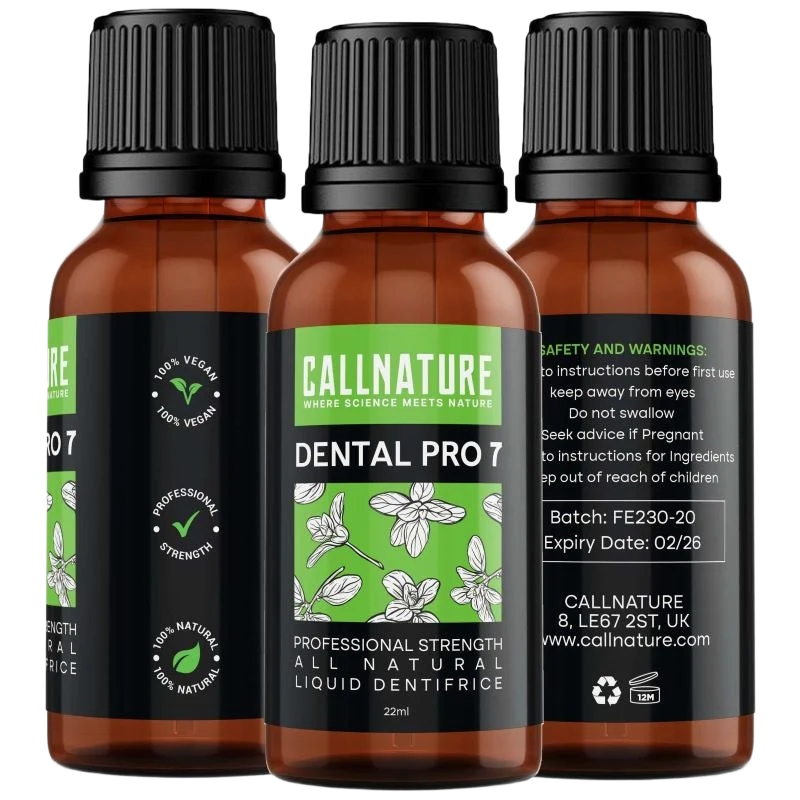
Ready to Try Dental Pro 7?
90-day money-back guarantee. Free shipping on select kits. No questions asked.
Try Dental Pro 7 Risk-FreeRelated Searches
Continue Reading
Disclaimer: Dental Pro 7 is a cosmetic oral-care product. It is not a drug and is not intended to diagnose, treat, cure, or prevent any disease. Statements on this page have not been evaluated by the FDA or MHRA. Always consult a qualified dental professional for oral health concerns. Results may vary. Testimonials reflect individual experiences and are not guaranteed outcomes.