Gum Pockets Treatment: Managing Periodontal Pockets
Disclosure: I am an independent affiliate for Dental Pro 7. This means I may earn a small commission if you purchase through my links, at no extra cost to you. My review is based on thorough research and an honest analysis of the product's claims and user feedback.
Learn what gum pockets are, how they form, and effective treatment options. Discover natural approaches to manage pocket depth and protect your gum health.
Gum pockets are one of the most important indicators of gum health, yet many people have never heard of them until their dentist measures them during a check-up. After reviewing the clinical data and user reports, I’ve created this guide to help you understand what gum pockets are, how they form, and how to treat them — because catching pocket depth changes early is critical.
Important Medical Disclaimer
Dental Pro 7 is a cosmetic oral-care product. It is not a drug and is not intended to diagnose, treat, cure, or prevent any disease. Statements on this page have not been evaluated by the FDA or MHRA. Always consult a qualified dental professional for oral health concerns.
What Are Gum Pockets?
Gum pockets, also called periodontal pockets, are spaces that form between the teeth and the surrounding gum tissue. In a healthy mouth, the gum tissue fits snugly around each tooth, creating a shallow space called a sulcus. These healthy pockets typically measure 1-3 millimeters deep.
When gum disease develops, the attachment between the gum tissue and the tooth weakens, causing the gum tissue to pull away. This creates deeper pockets where bacteria, food debris, and toxins can accumulate. These deeper pockets—typically 4 millimeters or more—become difficult to clean with regular brushing and flossing, creating a cycle of bacterial buildup and further tissue destruction.
How Gum Pockets Form
Gum pocket formation is a progressive process that typically follows this sequence:
Plaque Accumulation
Bacterial plaque constantly forms on tooth surfaces. When not removed, it accumulates along and below the gumline.
Gum Inflammation
Plaque toxins irritate gum tissue, triggering inflammation. Gums become red, swollen, and may bleed easily — gingivitis.
Tissue Destruction
Chronic inflammation destroys fibers and bone that attach gum tissue to teeth, causing gums to pull away.
Pocket Deepening
Deeper pockets trap more bacteria, worsening inflammation and tissue destruction in a self-perpetuating cycle.
Bone Loss
In advanced cases, supporting bone breaks down — an irreversible process that can lead to tooth looseness and loss.
The Importance of Pocket Depth
Dentists measure gum pocket depth during examinations using a small instrument called a probe. Understanding pocket depth helps determine the severity of gum disease and appropriate treatment:
Pocket Depth Guide
Healthy
Normal pocket depth — no intervention needed.
Early to Moderate Disease
Gingivitis or early periodontitis — non-surgical treatment usually effective.
Moderate to Severe Disease
Scaling and root planing required; possible surgical intervention.
Advanced Periodontitis
Significant intervention required — may involve surgery and bone grafting.
Treatment Options for Gum Pockets
Treatment for gum pockets depends on their depth and the severity of underlying gum disease.
Non-Surgical Treatments
Scaling and Root Planing
Deep cleaning that removes plaque and tartar from below the gumline and smooths root surfaces to promote reattachment. First-line treatment for 4-6mm pockets.
Antibiotic Therapy
Local or systemic antibiotics control bacterial infection. Local antibiotics can be placed directly into deep pockets during or after scaling.
Antimicrobial Rinses
Prescription-strength rinses reduce bacterial populations in the mouth and support healing of gum tissue.
Surgical Treatments
For deeper pockets that do not respond to non-surgical treatment, surgical options may be necessary:
Flap Surgery
Gum tissue is lifted for thorough root and bone cleaning, then repositioned to fit more snugly around the tooth.
Bone Grafting
Graft material promotes new bone growth and restores support to teeth when bone loss has occurred.
Soft Tissue Grafting
Tissue grafts restore lost gum tissue and cover exposed root surfaces when recession has occurred.
Natural Approaches to Manage Pocket Depth
While professional treatment is essential for deeper pockets, natural approaches can support gum health and help manage pocket depth:
1. Enhanced Oral Hygiene
Brushing twice daily with a soft-bristled toothbrush and flossing daily become even more critical when gum pockets are present. Consider using an electric toothbrush with a pressure sensor and interdental brushes for thorough cleaning between teeth.
2. Targeted Antimicrobial Treatment
Natural antimicrobial agents can help reduce bacterial populations in gum pockets. Products containing tea tree oil, clove oil, or other botanical extracts with documented antimicrobial properties can complement regular oral hygiene.
3. Salt Water Rinses
Regular salt water rinses can help reduce inflammation and promote healing of gum tissue. The osmotic effect of salt water draws fluid from swollen tissue and creates an environment less favorable to harmful bacteria.
4. Nutritional Support
A nutrient-dense diet supports gum tissue repair and immune function:
Vitamin C
Essential for collagen production and gum tissue repair.
Vitamin D
Supports bone health and immune function.
Omega-3 Fatty Acids
Provide powerful anti-inflammatory effects for gum tissue.
Coenzyme Q10
Supports cellular health and gum tissue healing.
5. Stress Management
Chronic stress can worsen gum disease by suppressing immune function. Stress management techniques can support your body’s ability to fight gum infection.
6. Quit Smoking
Smoking significantly impairs gum healing and increases the risk of pocket formation. Quitting smoking is one of the most important steps you can take to improve gum health.
How Dental Pro 7 Helps with Gum Pockets
Dental Pro 7 is designed to address the bacterial challenge in gum pockets. Its concentrated formula targets the root causes of pocket formation with natural antimicrobial and anti-inflammatory ingredients.
Penetrates Pocket Spaces
Reaches deep into gum pockets where bacteria accumulate and thrive.
Reduces Harmful Bacteria
Targets and reduces bacterial populations that drive tissue destruction.
Soothes Inflamed Tissue
Calms inflammation to promote natural healing of gum tissue.
Supports Reattachment
Helps gums reattach to tooth surfaces, reducing pocket depth over time.
For individuals with early-stage gum pockets, Dental Pro 7 can be an effective part of a comprehensive oral care routine that includes proper brushing, flossing, and regular dental visits.
Prevention and Maintenance
Preventing gum pocket formation and maintaining gum health requires ongoing commitment:
Gum pockets are a significant indicator of gum health and disease progression. While shallow pockets are normal, deeper pockets indicate gum disease that requires attention. By combining professional treatment with consistent home care and natural approaches like Dental Pro 7, you can effectively manage gum pocket depth and protect your oral health for years to come.
*## Clinical Guidelines & Health Authorities
Clinical Guidelines & Health Authorities
Disclaimer: This article is for informational purposes only and does not constitute medical advice. Gum pockets require professional evaluation and may need professional treatment. Always consult with a qualified dental professional for diagnosis and treatment recommendations. Individual results may vary.*
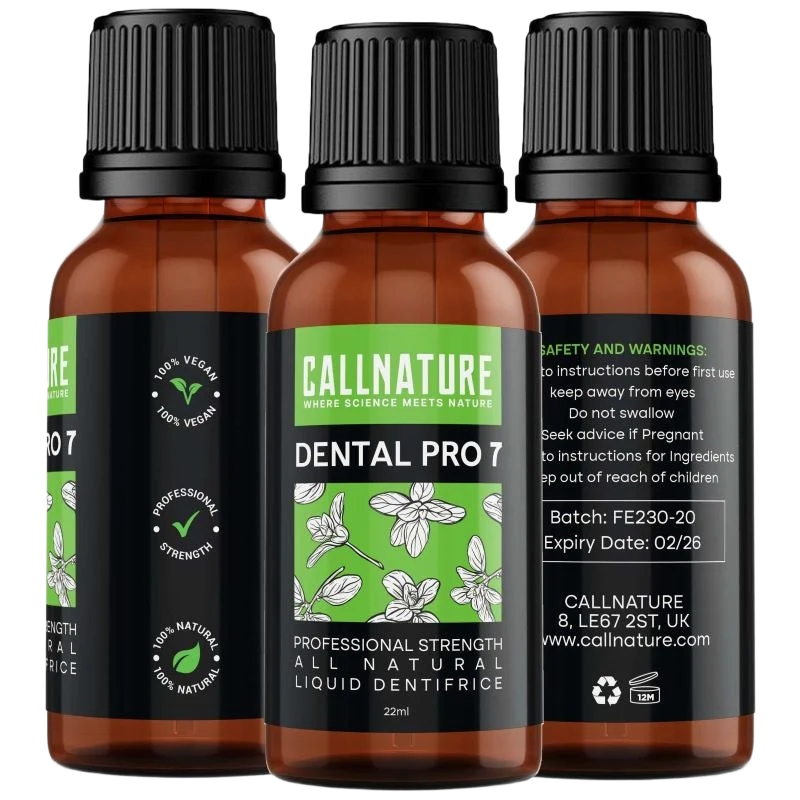
Ready to Try Dental Pro 7?
90-day money-back guarantee. Free shipping on select kits. No questions asked.
Try Dental Pro 7 Risk-FreeRelated Searches
Disclaimer: Dental Pro 7 is a cosmetic oral-care product. It is not a drug and is not intended to diagnose, treat, cure, or prevent any disease. Statements on this page have not been evaluated by the FDA or MHRA. Always consult a qualified dental professional for oral health concerns. Results may vary. Testimonials reflect individual experiences and are not guaranteed outcomes.