Gum Disease Symptoms: Early Warning Signs and Self-Check Guide
Disclosure: I am an independent affiliate for Dental Pro 7. This means I may earn a small commission if you purchase through my links, at no extra cost to you. My review is based on thorough research and an honest analysis of the product's claims and user feedback.
Identify early warning signs of gum disease with our comprehensive symptom guide. Learn when to seek professional help and how to protect your gum health.
Gum disease affects nearly half of adults over 30, yet many people do not recognize the signs until the condition has progressed significantly. After analyzing user reports and dental research, I’ve put together this self-check guide to help you identify symptoms early — because catching gum disease early is the key to effective treatment.
Important Medical Disclaimer
Dental Pro 7 is a cosmetic oral-care product. It is not a drug and is not intended to diagnose, treat, cure, or prevent any disease. Statements on this page have not been evaluated by the FDA or MHRA. Always consult a qualified dental professional for oral health concerns. For more on gum disease, see the ADA’s patient information.
Understanding Gum Disease Progression
Gum disease progresses through stages, each with distinct symptoms:
Gingivitis (Early Stage)
The earliest and most treatable form. Infection is confined to gum tissue and has not yet affected bone or connective tissue.
Early Periodontitis
Infection begins to affect the bone and fibers that hold teeth in place when gingivitis is left untreated.
Moderate Periodontitis
Bone loss becomes more significant, teeth may shift or loosen, gum recession becomes noticeable, and pockets deepen.
Advanced Periodontitis
Significant bone loss has occurred, teeth may be very loose, and extraction may be necessary. Systemic health may also be affected.
Early Warning Signs
The earliest signs of gum disease are often subtle and easy to miss. Watch for these indicators:
Progressive Symptoms
As gum disease advances, symptoms become more noticeable and concerning:
Self-Check Guide
Perform this self-check regularly to monitor your gum health:
Visual Inspection
Stand in front of a mirror with good lighting. Check gum color (healthy is pink), texture (should be stippled like orange peel), and contour (should fit snugly around teeth). Red, smooth, or puffy gums suggest inflammation.
Bleeding Check
Gently floss between each tooth. Do your gums bleed during flossing or brushing? Is there any blood visible on the floss? Any bleeding warrants attention.
Sensitivity Assessment
Are your gums tender to the touch? Do you experience pain with hot, cold, or sweet foods? Do your gums feel sore after brushing?
Breathing Test
Breathe through your mouth and assess: Can you detect an unpleasant smell? Does bad breath persist despite regular brushing? Do you frequently experience a bad taste?
Stability Check
Gently press on each tooth. Do any teeth feel loose? Have you noticed teeth shifting position? Does your bite feel different than usual?
When to Seek Professional Help
You should schedule a dental appointment if you experience any of the following:
Early detection and treatment of gum disease significantly improve outcomes. The earlier gum disease is identified, the easier it is to treat and the more likely full recovery becomes.
Risk Factors for Gum Disease
Certain factors increase your risk of developing gum disease:
Smoking & Tobacco
Significantly increases risk and impairs healing capacity.
Diabetes
Increases susceptibility to infection, including gum disease.
Hormonal Changes
Pregnancy, menopause, and puberty can affect gum health.
Stress
Weakens immune function and increases inflammation.
Medications
Certain drugs can cause dry mouth or gum changes.
Genetics
Some people are more susceptible regardless of oral hygiene.
Age
Risk increases with age, particularly after 35.
Poor Nutrition
Deficiencies in vitamins C and D can compromise gum health.
Prevention Strategies
Preventing gum disease is far easier than treating it:
Conclusion
Gum disease is a serious but largely preventable condition. By learning to recognize the early warning signs and performing regular self-checks, you can catch gum disease before it progresses to more serious stages. Combined with good oral hygiene practices and targeted products like Dental Pro 7, you have the tools to protect your gum health for a lifetime.
*## Clinical Guidelines & Health Authorities
Clinical Guidelines & Health Authorities
Disclaimer: This article is for informational purposes only and does not constitute medical advice. Gum disease requires professional diagnosis and treatment. Always consult with a qualified dental professional for personalized care recommendations. Individual results may vary.*
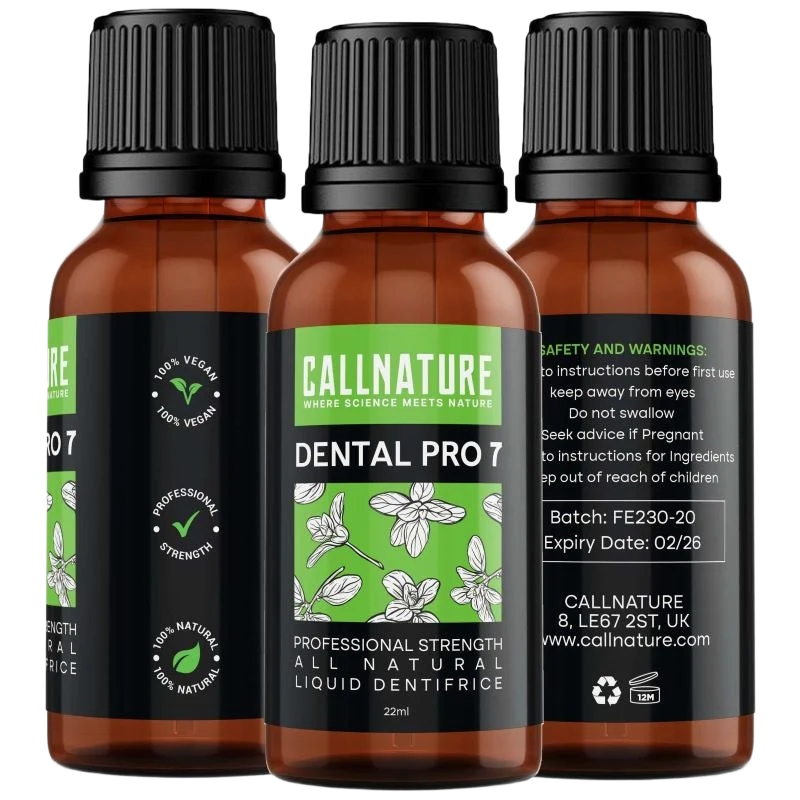
Ready to Try Dental Pro 7?
90-day money-back guarantee. Free shipping on select kits. No questions asked.
Try Dental Pro 7 Risk-FreeRelated Searches
Disclaimer: Dental Pro 7 is a cosmetic oral-care product. It is not a drug and is not intended to diagnose, treat, cure, or prevent any disease. Statements on this page have not been evaluated by the FDA or MHRA. Always consult a qualified dental professional for oral health concerns. Results may vary. Testimonials reflect individual experiences and are not guaranteed outcomes.